

PGE Group is the largest vertically integrated producer and supplier of electricity and the largest producer of district heating in Poland. The Group’s activities span the entire value chain: from lignite mining at own mines, through generation of electricity and heat, to distribution and sales thereof.

- ESRS
- SBM-1
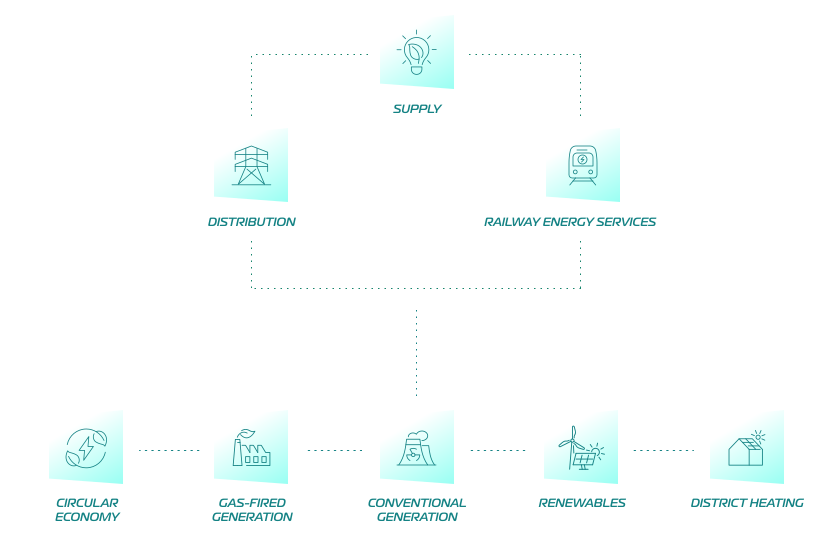
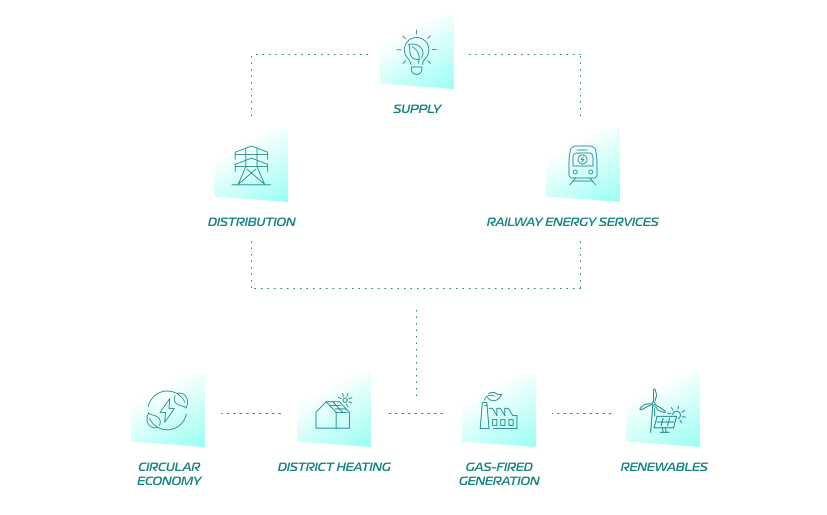
The District Heating segment generated 14% of the recurring EBITDA of the Group. At the same time, in this segment, capital expenditures were significant and amounted to PLN 1.4 billion and were mainly related to development related to construction of low emission units in Czechnica CHP plant, Bydgoszcz DHP plant and Rzeszów CHP plant.
The Renewables segment generated 12% of the Group’s recurring EBITDA. In 2024 investments were actively made in the development of renewable energy sources (PLN 1.6 billion) including, to the greatest extent, the development of offshore wind farm projects (on January 29, 2025 the final investment decision on the construction of the offshore wind farm Baltica 2 was taken).
The Railway Energy Segment generated a 10% share in the recurring EBITDA. Capital expenditures of almost PLN 0.5 billion were also incurred, mainly for the modernisation and construction of traction substations in accordance with the concluded connection agreements.
The Conventional Generation segment generated 8% of PGE CG’s recurring EBITDA. Capital expenditure of PLN 1.0 billion was incurred in the Conventional Generation segment. These included investments in modernization and restoration, including efficiency upgrades to existing units and environmental upgrades.
The other segments did not have a significant share in the recurring EBITDA of the PGE Capital Group in 2024, while the Gas-fired Generation segment incurred significant capital expenditures (PLN 2.5 billion) due to the construction of new CCGT units by PGE Gryfino Dolna Odra sp. z o.o. and PGE Nowy Rybnik sp. z o.o.
According to the binding PGE Group’s strategy, a change to the PGE Group’s business model is planned, including the carve-out of coal assets from the Group. However, the continuation of the project, as well as its final shape and work schedule depend on government decisions. As at the date of preparation of this report, no further arrangements have been made regarding coal assets of the Conventional Generation segment.
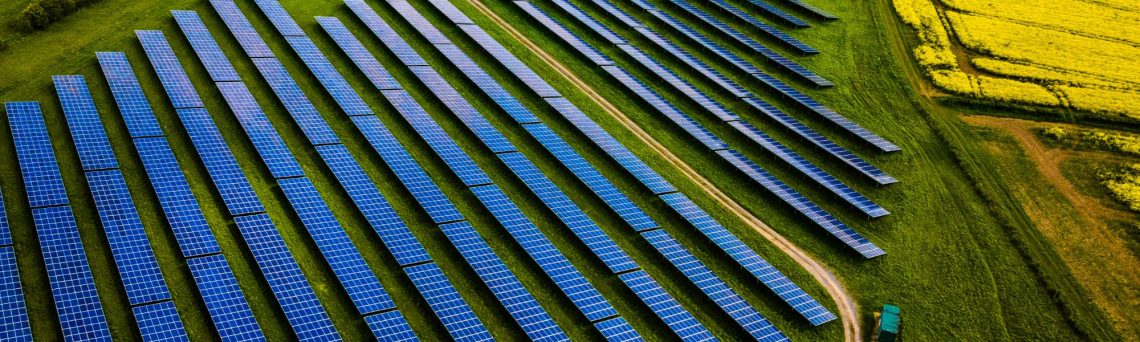
Value chain
As the largest vertically integrated producer and supplier of electricity and heat in Poland, the PGE Group has a well-developed value chain encompassing all stages from raw material extraction to the delivery of energy to end users.
Conventional power generation facilities use lignite from the Group’s own mines, as well as hard coal, gas, and biomass supplied by external providers.
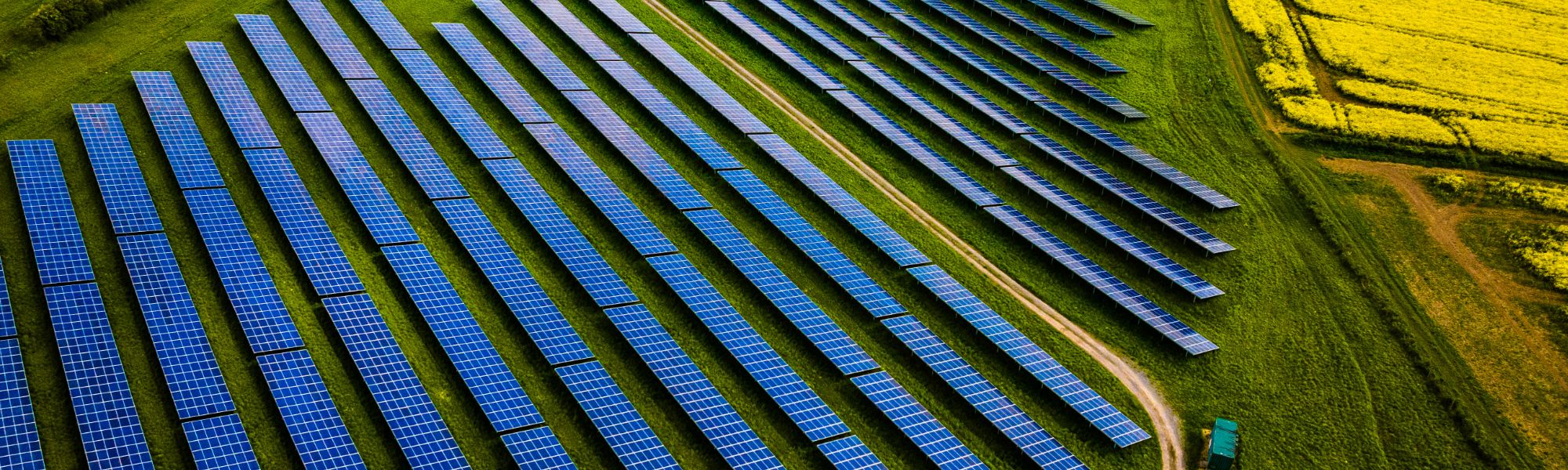
Electricity is also generated using renewable sources: wind, hydro and solar energy. The energy is then delivered through distribution networks and sold to customers across Poland, including households, businesses, institutions and local authorities. The Railway Energy Services business segment connects the rail system with the national power system, supplying and selling electricity to various railway infrastructure facilities and, ultimately, to trains. The Group’s business activity is complemented by the Circular Economy segment, through which waste generated in electricity production from coal (lignite and hard coal) is reused in other sectors of the economy.
Stages of the value chain
The PGE Group’s value chain consists of the following stages:
- Raw material extraction – The PGE Group owns two lignite mines, which supply fuel to the Bełchatów and Turów power plants. Hard coal, gas and biomass are procured from external suppliers.
- Energy generation – The PGE Capital Group generates electricity and heat in its power plants and combined heat and power (CHP) plants, using both conventional energy sources as well as renewable and low-carbon sources.
- Energy distribution – The Distribution and Railway Energy Services business segments manage a distribution network with a total length of approximately 323 thousand km, delivering electricity to customers across an area covering about 40% of Poland’s territory and the entire national overhead lines grid.
- Electricity sales – The Supply and Railway Energy Services segments handle the sale of electricity to households, businesses, and institutions.
- Heat sales – The District Heating business segment is responsible for the sale and distribution of heat.
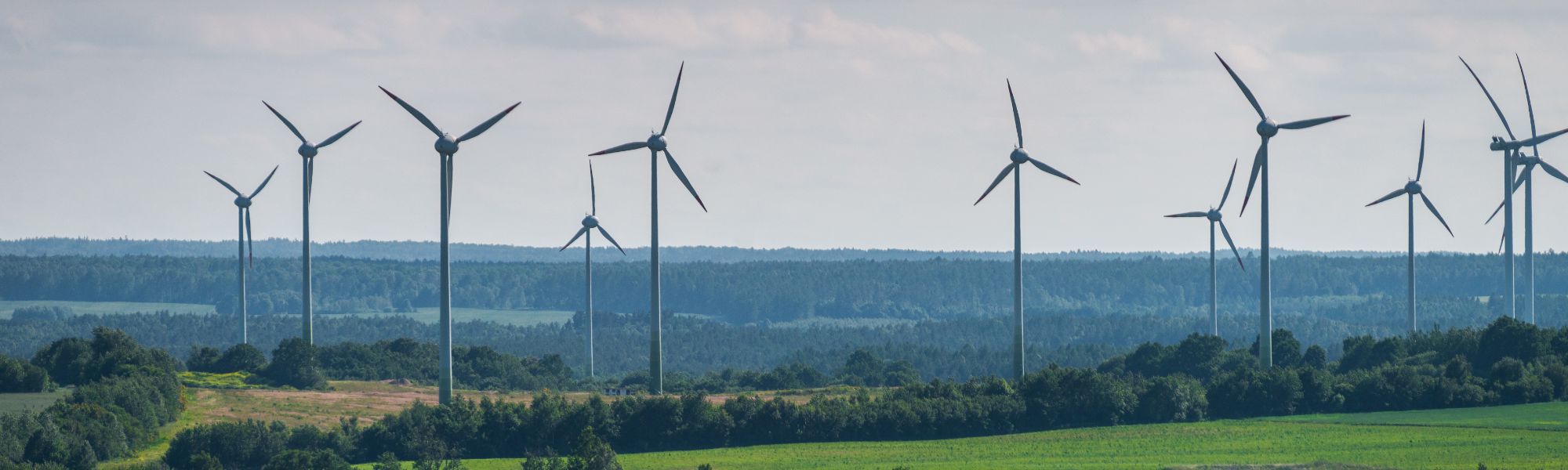
The company`s position in the value chain
The PGE Group is a key player at every stage of the value chain – from raw material extraction to the delivery of energy to end users. Thanks to vertical integration, the PGE Group can control quality and costs at each stage of energy production and distribution.
Main business entities in the value chain:
Suppliers of raw materials such as hard coal, gas and biomass are essential to the PGE Group’s operations. The PGE Capital Group also cooperates with providers of technologies and services related to RES.
In the area of energy sales, the Supply and Railway Energy Services segments serve more than 5.7 million customers, including households, businesses, institutions, and the railway sector. In the area of electricity distribution, PGE CG serves over 5.8 million customers. These customers are vital for the company’s financial stability and growth
The Distribution and Railway Energy Services segments manage an extensive distribution network that is essential for delivering energy to end users.
End users, both individual and business, consume theenergy delivered by the PGE Group. Their energy demand influences planning and the development of energy infrastructure.
Current and expected benefits and outcomes for customers, investors and other stakeholders
- Reliability of electricity supply – the PGE Group conducts regular monitoring of electricity supply quality indicators with detailed geographical granularity,
- Electricity prices – the Group monitors wholesale andretail electricity prices and adjusts its price lists and tariffs in line with market conditions, regulations, and competitive activity,
- Quality of customer service – the PGE Group carries out regular studies of service quality and customer satisfaction,broken down in detail,
- Product offer range,
- Availability of electricity from renewable sources,
- Shorter time required for connection to the electricity grid.
- The implementation of a strategy aimed at achieving climate neutrality will help reduce regulatory and business risks associated with high CO₂ emissions in electricity and heat production andsales,
- Investments in the modernisation and expansion of distribution networks, under the current regulatory model, allow for stable cash flows from operationsin the Distribution segment,
- The expanding portfolio of onshore and offshore renewable installations leads to a reduction in the emissions intensity of the energy mix and increases the availability of energy from renewable sources for customers,
- Commercial optimisation of pumped-storage power plants, supported by the implementation of new balancing market rules and increasing intraday volatility in the price profile, enables margin growth in the Renewables business segment.
- Potential increase in revenue from local taxes and charges,
- Growth in the value of goods and services ordered from local businesses,
- Increased demand for labour, including highly qualified specialists in thefield of new energy technologies,
- Improved investment attractiveness and spatial planning through the appropriate electrification of new areas and underground cabling of medium- and low-voltage networks.