

The PGE Capital Group (PGE CG) is implementing an Investment Plan under which development investments in new low- or zero-emission generation sources are carried out. This Plan is a detailed implementation of the PGE Group Strategy until 2030. The main development directions included in the Investment Plan for 2024–2028 comprise, among others, investments undertaken within the Group in the area of climate change mitigation. These include:

Below is a presentation of the key actions implemented in 2024 related to investments contributing to the mitigation of negative impacts and risks, and the exploitation of opportunities and reinforcement of positive effects in the areas of climate change adaptation, mitigation, and energy. The results in terms of achieved and expected greenhouse gas emissions reduction will be presented in subsequent reporting periods.
Construction of offshore wind farms
The strategic objective of the PGE Group in the field of Offshore Wind Energy is to construct at least 6.5 GW of capacity by 2040. The Group holds eight location permits for offshore wind farms in the Baltic Sea, of which five proceedings (with a total capacity potential of approx. 3.9 GW) were resolved in favour of PGE CG in 2023, while three location permits were obtained by PGE CG in 2012.
Baltica 1 project (approx. 0.9 GW) is in the early preparation phase. In 2024, steps were taken to obtain the Environmental Permit, including submission of the environmental report for the Offshore Wind Farm area and the transboundary impact report within the Espoo procedure to the Regional Directorate for Environmental Protection. Geotechnical surveys and a post-validation campaign of wind measurements were also conducted.
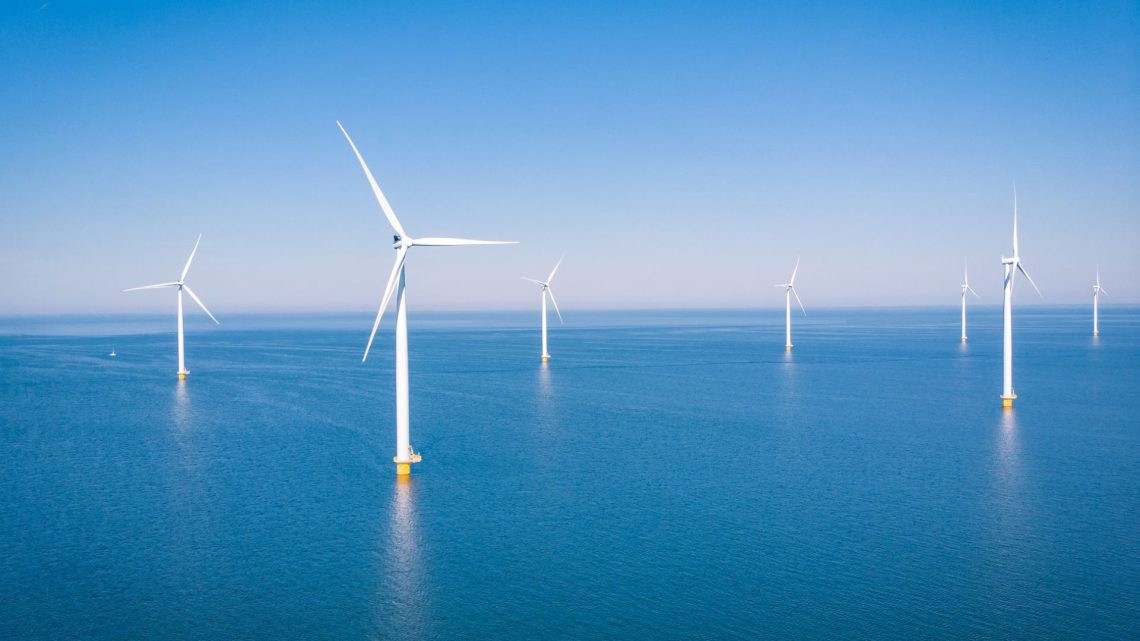
Baltica 2 project (approx. 1.5 GW) is currently in the implementation phase. Key agreements for construction and installation works and component supplies have already been concluded. In 2024, works under the agreement for the construction of the onshore power evacuation system were carried out, for which the notice to proceed was issued on 28 June 2024. The Final Investment Decision was made on 29 January 2025, thereby officially transitioning the Project into the execution phase. It is assumed that the first electricity will be generated in the first half of 2027, and commissioning of the entire project is planned for the second half of 2027.
Baltica 3 project (approx. 1 GW) is in the preparation phase. In 2024, preliminary and intermediate geotechnical surveys were completed, and the geotechnical documentation of the ground substrate was developed. Simultaneously, environmental studies on migratory birds and bats were conducted in the so-called buffer zone, along with project optimisation works.
Construction of an operations and maintenance base at the Port of Ustka – In 2024, demolition works were carried out on the site of the future operations and maintenance base in Ustka, and tendering procedures for selecting the General Contractor and Contract Engineer were conducted. The agreement with the Contract Engineer – SWECO – was concluded in December 2024. The agreement with the General Contractor is planned to be signed at the beginning of 2025.


Construction of electricity storage facilities
Żarnowiec Electricity Storage Facility – the project is in the early implementation phase. In November 2024, bids were received from contractors as part of the tender procedure for the construction of a facility with a capacity of 263–269 MWe and a minimum capacity of 900 MWh. In January 2025, the contractor was selected – LG Energy Solution Wrocław. The contract with the selected contractor was signed on 7 March 2025. Commissioning is planned for 2027.
Distributed Electricity Storage Facilities – the project is at an advanced preparation stage. In 2024, a tender was launched to select the General Contractor for the construction of storage facilities with a total capacity of 107 MWe. The Final Investment Decision and thus the transition to the execution phase is planned for Q2 2025, with commissioning planned for Q2 2028.
Gryfino Electricity Storage Facility – a project with a capacity of 400 MW and a storage capacity of 800 MWh is in the preparation phase. In 2024, efforts were undertaken to obtain the Environmental Permit.
Electricity Storage Facilities Integrated with Existing PGE CG Wind Farms – the project is in the preparation phase. In 2024, grid connection conditions were obtained for four electricity storage facilities located at existing wind farms: Wojciechowo, Lotnisko, Ścieki, and Pelplin, with a total capacity of 186 MWe.
Additionally, parallel work is being carried out to implement further electricity storage facilities, in particular searching for suitable locations and obtaining technical grid connection conditions.
Construction of photovoltaic farms
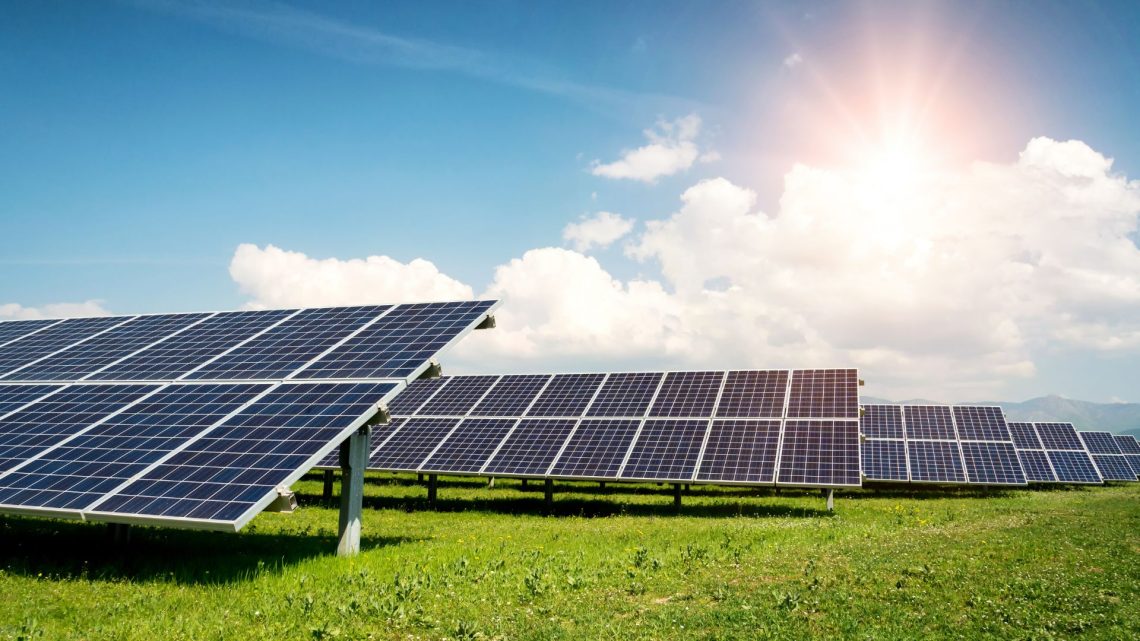
The photovoltaic farm development programme within PGE CG is being implemented across Poland, depending on land availability, the possibility of connection to the power grid, and solar conditions. In 2024, final acceptance was completed for photovoltaic farms with a capacity of 149 MWe, bringing the total volume of accepted projects under the Programme to approximately 197 MWe. At year-end, 33 MW were in the production phase without final acceptance, and approximately 205 MW of PV installations were under construction. Projects with a total capacity of around 770 MW are currently undergoing the process of obtaining Grid Connection Conditions (GCC).
Construction of onshore wind farms
The current investment portfolio includes projects with a total capacity of nearly 250 MW. In 2024, activities continued to secure land rights for power plant construction, apply for changes to local spatial development plans, and obtain grid connection conditions. The implementation of new investments will be possible upon obtaining technical grid connection conditions and the remaining required administrative decisions.
Decarbonisation of district heating
The strategic goal of PGE CG in the area of district heating is to replace coal-fired assets with low- and zero-emission units by the end of 2030. The following investment projects are being implemented under this objective:
- Construction of the new Czechnica CHP plant, comprising a gas and steam unit with a total electrical capacity of 179 MWe and thermal capacity of 163 MWt, a heat accumulator, and four water boilers with a total capacity of 152 MWt – the boiler house was commissioned on 16 November 2023. In 2024, installation work for the gas and steam unit was completed, and commissioning activities began, including the first synchronisation of the unit with the National Power System.
- Construction of a cogeneration source based on five gas engines with a total capacity of 52.6 MWe / 50.8 MWt and a reserve-peak heating source at the CHP plant in Bydgoszcz – installation of generating units was completed in 2024. Work continued in various areas of the project. Preparatory works for commissioning began in November. The commissioning is scheduled for 2025.
- Construction of a cogeneration unit based on a gas turbine with a capacity of 7.32 MWe and 12.42 MWt with a heat recovery boiler at the Kielce CHP plant – the facility was commissioned in August 2024.
- Construction of a cogeneration unit based on gas engines with a capacity of approx. 50 MWe / 50 MWt and a biomass boiler with a capacity of approx. 30 MWt at the Gdynia CHP plant – the project is in the implementation phase. In 2024, a construction permit was obtained for the gas engine component and construction works began, while for the biomass boiler component, the design was completed, and the building permit application was submitted.
- Construction of a second line of the Thermal Waste Treatment with Energy Recovery Installation in Rzeszów, with a processing capacity of 80 thousand tonnes of waste per year and a capacity of approx. 8 MWe / 20 MWt – the project is in the implementation phase. In 2024, installation works were carried out on the main equipment and auxiliary systems.
- Construction of a cogeneration unit based on gas engines along with a connecting gas pipeline at the Kraków CHP plant with a capacity of approx. 100 MWe / 100 MWt – the project is in the preparation phase. In 2024, a building permit was obtained and the tender procedure for the selection of the General Contractor was launched.
- Construction of reserve-peak gas boiler houses:
- At the Gorzów CHP plant, a boiler house with a capacity of 62 MWt was commissioned in March 2024.
- At the Rzeszów CHP plant, a boiler house with a capacity of 186 MWt was commissioned in April 2024.
- At the Gdynia CHP plant, a boiler house with a capacity of 90 MWt was commissioned in November 2024.
- At the Lublin CHP plant, construction of a boiler house with a capacity of 182 MWt is ongoing – installation works were completed in 2024 and commissioning began.
- Construction of a 50 MWt heat pump at the Kraków CHP plant – the project is at the preparation stage. In 2024, market consultations were held with potential contractors to clarify the requirements of the tender documentation.
- Construction of a cogeneration unit based on gas engines at the Pomorzany CHP plant with a capacity of approx. 23 MWe / 23 MWt – the pre-investment analysis phase was completed in 2024 and the project moved into the preparation phase.
- In addition, projects are currently under preparation for implementation at the Gdańsk and Wrocław CHP plants. Planned installations at these locations include gas engines, heat pumps, gas boilers, and electrode boilers.
Increase in grid connection capacity
Most of the investment in the electricity distribution area in 2024 related to the modernisation and development of high-, medium-, and low-voltage power grids and transformer stations. These investments will contribute to increasing the grid connection capacity of the distribution network, including for renewable energy sources, as well as to improving indicators related to electricity supply interruptions and further reducing network losses. The energy efficiency of electrical power equipment is being increased through the replacement of transformers and the purchase of measuring devices, including modern electricity meters. Renewable energy sources (RES) constitute an important element of sustainable development, delivering tangible economic and environmental benefits.
In 2024, PGE Dystrybucja S.A. connected 73.5 thousand domestic photovoltaic installations with a total capacity of 648.3 MW to its network.
In 2024, the PGE Dystrybucja S.A. network also saw the connection of 532 RES installations with a unit capacity exceeding 50 kW, i.e. installations that do not qualify as micro-installations, including:
These activities are important from the perspective of the planned reductions in conventional energy production.
Other selected activities of PGE CG companies related to climate change mitigation arising from the PGE CG Strategy:
The project for the construction of a gas and steam unit with a gross capacity of 882 MW in Rybnik is in the implementation phase. Commissioning is planned for December 2026. The new unit is ultimately intended to replace high-emission generation units. In 2024, a building permit was obtained for the project, followed by the commencement of construction works – excavation, foundation works, and construction of the main building structures.
In the second half of 2024, two gas and steam units with a total installed capacity of 1,366 MW were commissioned (each unit has a capacity of 683 MW). The nominal efficiency of the power plant is more than 70% higher than that of the old coal-fired units. The emission factor is approximately 330 g CO₂ per kWh, nearly three times lower than in the coal-fired units of the Dolna Odra Power Plant.
A range of modernisation and investment activities aimed at reducing environmental impact and decreasing (unit) CO₂ emissions are carried out in the company’s installations, including:
- optimisation of combustion processes,
- modernisation of existing power units to improve generation efficiency,
- increasing the efficiency of fuel and raw material use,
- reducing the energy intensity of production processes and internal needs.
Strategic transition plans set out in the Climate Neutrality Plans and the Decarbonisation Plan include the best available technologies for generating electricity and heat, in particular low-emission technologies (based on gas fuel), those using renewable energy sources (e.g. heat pumps, PV, Power-to-Heat technologies), as well as technologies related to energy storage. Additionally, under the work on the Decarbonisation Plan, an analysis was prepared of the potential to use recoverable waste heat for the supply of municipal district heating systems.
As part of climate protection activities, PGE Energia Odnawialna S.A. consistently undertakes actions including thermal modernisation of buildings, replacement of outdated machinery and equipment, and conversion to energy-efficient lighting. Regular inspections of equipment containing freon substances are carried out, as well as repair, maintenance and modernisation works. Thanks to monitoring devices, the company is able to take rapid and necessary action in the event of a failure.
In the fight against CO₂ emissions to the atmosphere and in the ongoing energy transition, and thus in increasing the share of renewable energy sources in the National Power System (NPS), PGE Energia Odnawialna S.A.’s renewable assets are of fundamental importance. At the same time, the pumped storage power plants, by acting as large-scale energy storage units, help to minimise the loss of electricity production from renewable sources due to orders issued by the Transmission System Operator to curtail wind farm generation in order to balance the NPS.
The Railway Energy Services segment undertakes actions aimed at making energy infrastructure more resilient to weather conditions and increasing the reliability of supply, thereby contributing to adaptation to climate change. These are carried out as part of the company’s operations, cover its entire territory, and impact stakeholders – i.e. electricity consumers. These are continuous actions, implemented successively, and no time horizon has been specified. These activities depend on resource availability.
A key action within its own operations in relation to sustainable development, and one that affects climate change mitigation, is the reduction of electricity consumption. Reducing energy consumption leads to a decrease in greenhouse gas emissions in the upstream value chain – in electricity generation processes.
Actions to reduce electricity consumption in own operations include:
- reducing losses in the electricity transformation process, which covers selected facilities across the company – Power System Modernisation Programme (MUZa);
- thermal modernisation of non-energy facilities, which includes selected buildings across the company;
- reducing the consumption of capacitive reactive power by optimising and configuring the transmission network, installing compensation devices, and implementing dedicated IT tools;
- reducing losses in the electricity transmission process, which includes selected sites across the company – modernisation of power lines;
- other actions aimed at reducing electricity consumption (e.g. replacement of lighting with energy-efficient solutions).
No specific time horizon has been set for these actions. These are ongoing initiatives.
A key action in the downstream value chain contributing to climate change mitigation is promoting reduced electricity consumption by energy consumers. This includes the SENSUM project, implemented under the ‘Energy Efficiency of Railways (CEEK)’ programme – a rail vehicle driving optimisation system enabling energy-efficient driving.
As part of current operational activity, actions are being undertaken to improve infrastructure resilience to weather conditions. This is due to the fact that energy infrastructure has always been and continues to be exposed to weather phenomena. The activities aim to improve the reliability of electricity supply and ensure the highest quality of service. These actions are aligned with those that may be required in response to future climate change.
The company carries out activities under the Cable Programme, which is intended to enhance the resilience of the network to weather events and reduce network losses. The programme involves restructuring the medium-voltage (MV) grid by increasing the share of cable lines to at least 30% of the total MV network length of PGE Dystrybucja S.A. The programme is scheduled for implementation between 2019 and 2027. It provides for the construction of approx. 11,000 km of MV cable lines and the simultaneous dismantling of approx. 8,800 km of MV overhead lines.
The implementation of the programme also contributes to improvements in the quality parameters of electricity supply, including better SAIDI and SAIFI indices.
Changing the MV grid structure will significantly improve the quality of electricity supply to customers, particularly in terms of supply reliability. In 2024, 833 km of MV cable lines were constructed. The total length of MV cable lines built under this programme between 2019 and 2024 amounts to 4,879 km.
The Cable Programme is being implemented across the PGE Dystrybucja area of operation, which covers around one-third of the country. Approximately 250 investment tasks related to MV grid cabling are implemented annually. The programme has been ongoing since 2019. PGE Dystrybucja included a continuation of the cabling programme in its Investment Plan for 2025 and in the draft Investment Plan through to 2029.
In 2024, environmentally oriented investments played a significant role in the PGE Group’s investment activities, including:
- investments in new gas units (at locations where coal-fired units currently operate);
- investments in the development and modernisation of the distribution network, including the cabling of overhead lines;
- connections for RES installations;
- development, strategic, and modernisation investments carried out by PGE Energia Odnawialna S.A.;
- offshore wind farm construction projects;
- modernisation, refurbishment and development investments aimed at increasing operational efficiency and environmental protection, reducing environmental nuisance, and supporting responsible use of natural resources.
Expenditure on environmentally oriented investments includes:
- expenditure eligible under the EU taxonomy (those meeting and not meeting the technical screening criteria);
- expenditure not covered by the EU taxonomy but supporting environmental protection, particularly related to the Conventional Energy segment and the District Heating segment (e.g. ITPOE).
Value of investment expenditure (taxonomy-aligned and environmentally oriented) [PLN million].