A large group of modernisation and refurbishment investments in recent years has comprised projects aimed at adapting PGE CG’s generation units to the requirements of the BAT conclusions. The work undertaken to achieve compliance with the BAT conclusions has also contributed to improvements in other parameters, including generation efficiency and enhanced regulatory capabilities.

PGE GiEK S.A.
Conventional Generation is a key asset within PGE CG, accounting for a significant share of net electricity production. It comprises five conventional power plants and two lignite mines. Bełchatów Power Plant, which is part of this segment, is a major point source of pollution, as it is the largest lignite-fired power generation unit in both Poland and the world. As such, PGE GiEK S.A. also plays an important role in the context of identified environmental impacts and risks, including pollution within PGE CG, which is also reflected in the current measures undertaken. PGE CG, including PGE GiEK S.A., is committed to mitigating the negative impacts and risks arising from air, water and soil pollution.
Ongoing measures implemented in 2024 and planned for the following year, arising from the investment plan for conventional power plants of PGE GiEK S.A., contribute to reducing pollution levels, including:
- equipping power units with a complete set of installations for reducing atmospheric emissions;
- installing flue gas desulphurisation systems using the wet limestone-gypsum method, achieving 95% efficiency. The gypsum produced in the power plant is a fully marketable by-product;
- equipping power units with electrostatic precipitators that capture dust generated during the coal combustion process. The dust removal efficiency reaches 99.6%;
- application of primary NOx emission reduction methods involving the optimisation of the combustion process in each boiler;
- construction of high-efficiency secondary denitrification systems using the SNCR (Selective Non-Catalytic Reduction) or SCR (Selective Catalytic Reduction) methods;
- application of primary methods by maintaining a low combustion temperature of around 860°C in fluidised bed boilers to reduce nitrogen oxide emissions;
- reducing dust emissions during coal storage, transport and handling by using enclosed conveyors and enclosed transfer points for coal delivery, equipping the entire coal handling system with dedusting and vacuum systems, installing belt conveyors on trestles, using belt-cleaning devices, and defining proper operation and maintenance procedures in operational manuals;
- continuous efforts to reduce dust emissions by transporting ash removed from boilers through a sealed pipeline followed by enclosed belt conveyors equipped with an ash spraying system. Slag is transported in a wet state via an enclosed conveyor system to the slag tank, and then further conveyed using closed-type conveyors equipped with a spraying system.
- implementing water protection technologies that allow for low unit indicators of wastewater generation and water consumption, as well as minimising the pollutant loads discharged with wastewater;
- monitoring water abstraction using a computer-based system that continuously records the volume of water drawn and wastewater discharged, along with key wastewater parameters such as pH, temperature, turbidity, and chloride content. All wastewater parameters defined in the integrated permit are monitored by an accredited laboratory;
- continuing the project to expand the industrial wastewater treatment plant at Turów Power Plant, with key technological components already operational, enabling a high level of wastewater purification. Completion of the expansion is scheduled for 2025;
- treating industrial and stormwater effluents, including a treatment unit for wastewater from flue gas desulphurisation, with retention capabilities.
Railway Energy Services
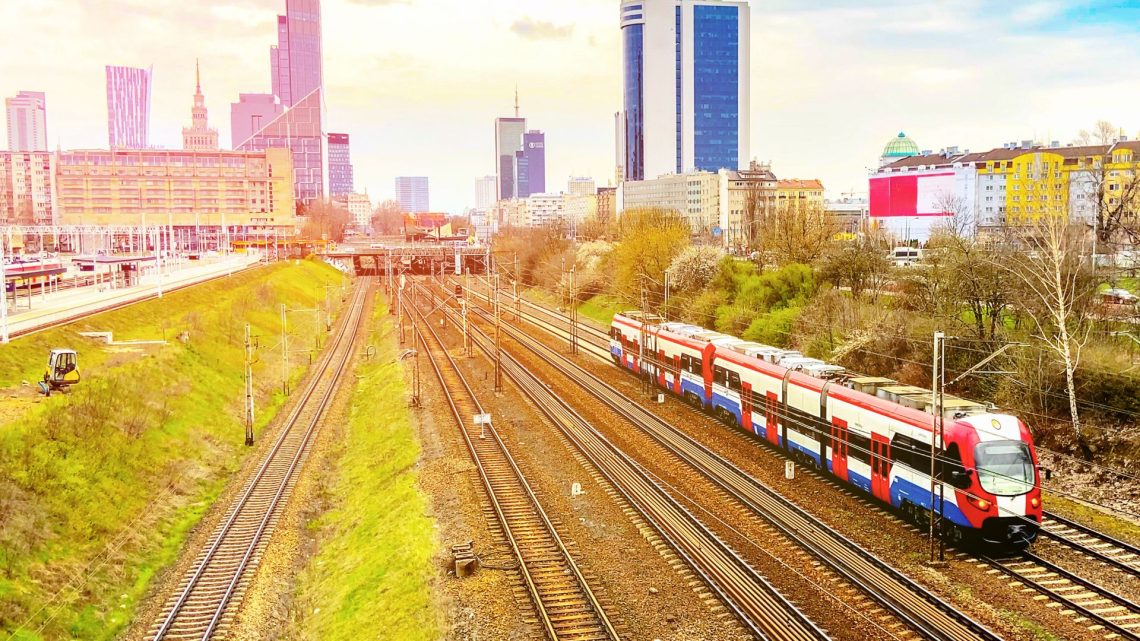
In the Railway Energy Services segment, actions were undertaken in 2024 to reduce pollution resulting from the Group’s own operations.
Actions aimed at preventing potential contamination of groundwater through the decommissioning of unused groundwater intakes. In 2024, 15 intakes were decommissioned, and preparatory steps were taken for the decommissioning of a further 25 intakes scheduled for 2025. Similar actions are planned in subsequent years as required.
- Actions to prevent potential soil contamination due to possible oil leaks from transformers. These actions involve the construction of drainage and treatment systems for rainwater discharged from transformer bays at traction substations as part of the Power System Modernisation Programme (MUZa), as well as the construction and fitting of transformer storage sites with equipment to contain potential oil leaks (drip trays).
- As part of MUZa, in 2024, drainage and treatment systems for rainwater were built at 11 power infrastructure facilities. This is a long-term initiative that will be gradually continued in the coming years. It is being implemented across the entire operational area of the organisation (nationwide).
- In 2024, preparatory works were carried out for the construction and equipping of 10 transformer storage sites (including laying concrete surfaces and installing drip trays and tarpaulins). In 2025, the construction and equipping of another 10 transformer storage sites is planned.
Across the remaining companies within the Group, no significant activities related to air, water or soil pollution were identified, aside from routine operational measures, ongoing monitoring of processes that may represent potential sources of pollution, and compliance with threshold values specified in permits and sector-specific decisions in order to minimise environmental impact. The Group did not allocate operating expenses and inputs. In the coming years, the implementation of solutions enabling such allocation and reporting at Group level is planned.