
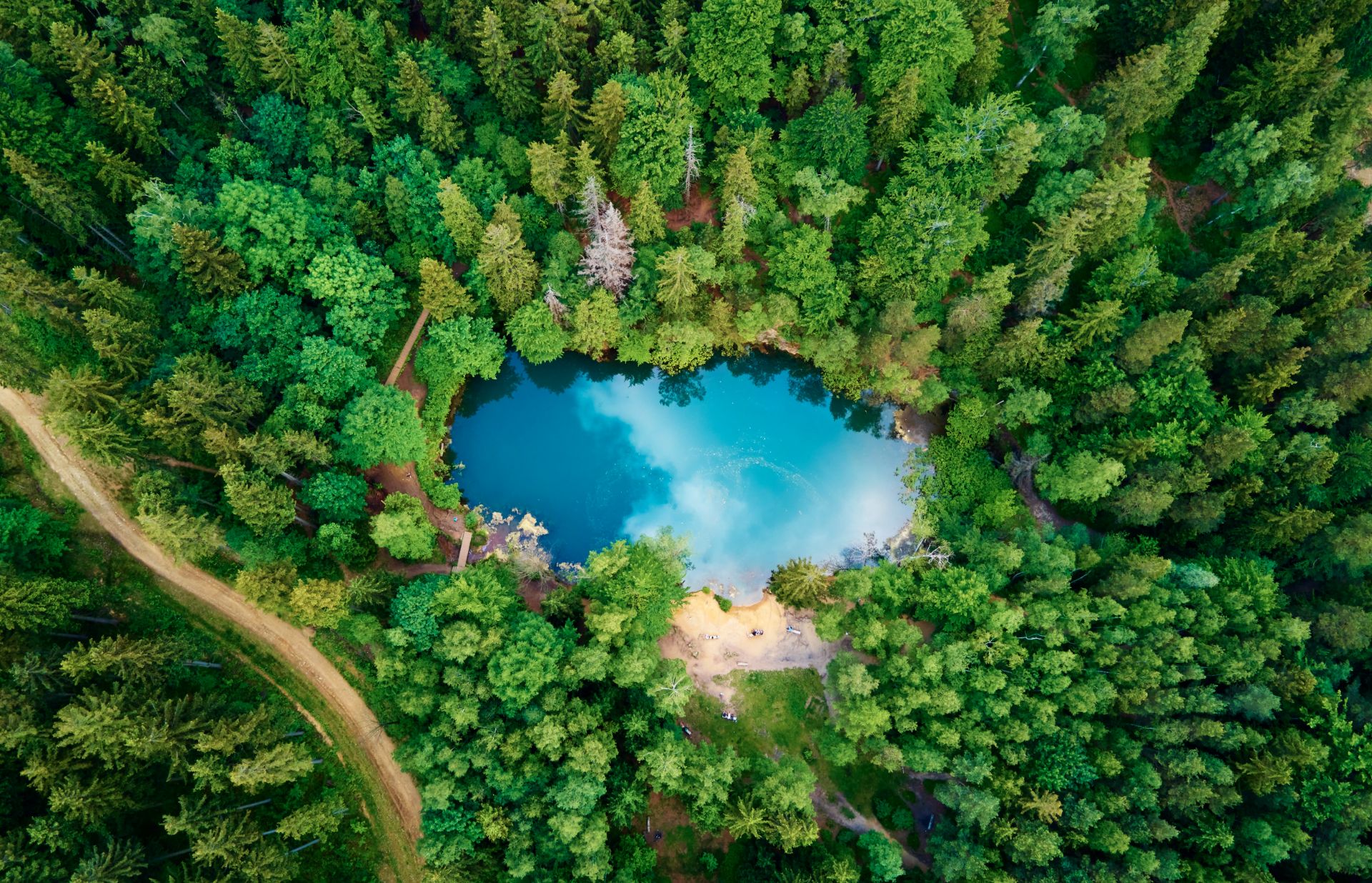


In 2024, the following aspects of biodiversity and ecosystems were identified as significant for the PGE Capital Group:
- Climate change as a factor directly contributing to biodiversity loss.
- Changes in land use and in the use of fresh water and seas as a factor directly contributing to biodiversity loss
- Direct exploitation as a factor directly contributing to biodiversity loss.
- Impact on the extent and condition of ecosystems caused by land degradation.
- Impact on and dependence on ecosystem services.
The significant impacts (both positive and negative) of the PGE Capital Group on biodiversity and ecosystems in the context of climate change, resulting from its emission-intensive activities and the scope of partnerships entered into and proprietary programmes implemented, are present throughout the value chain.
Until the publication of the Statement, the PGE CG had not conducted an analysis of significant biodiversity-sensitive locations that may be directly affected by the organisation’s activities. The table above identifies sensitive, protected areas, or SAC (special areas of protection) that companies have identified in the vicinity of their locations. In 2025, the PGE CG started preparations for a detailed analysis of the negative and positive impact on biodiversity. These preparations included, inter alia, an analysis of locations relevant in terms of their links to biodiversity and ecosystems, and planning possible new measures to mitigate biodiversity loss. There are also plans to assess the actual and/or possible impacts and dependencies on biodiversity and ecosystems, and to identify the associated risks and opportunities.
From the perspective of negative impacts in other thematic areas relevant to biodiversity and ecosystems (including in relation to land degradation), locations where the PGE Capital Group conducts the following activities should be identified as critical:
Extraction processes in open-pit mining lead to changes in the landscape and land use, resulting in the potential loss of natural habitats and ecosystem fragmentation, as well as a reduction in the capacity of ecosystems to provide ecosystem services such as water purification and oxygen production;
Supply of raw materials, construction of infrastructure, and distribution processes lead to changes in land use or habitat fragmentation (e.g. lines in forest areas), and also possibly affect the quality of ecosystem services (e.g. in the context of pipeline leaks)
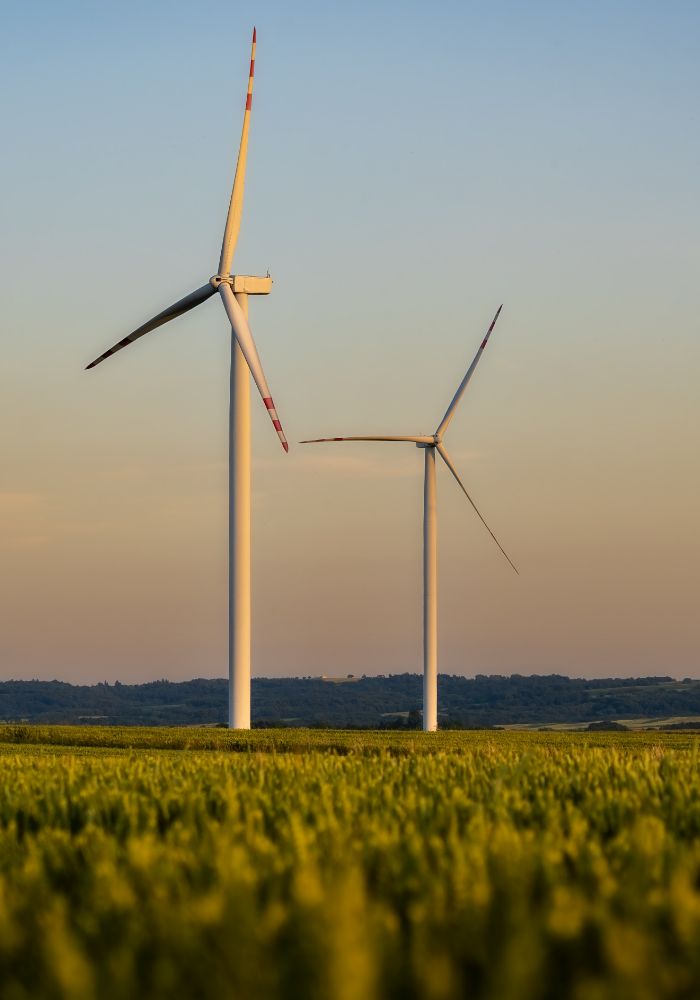
Construction of wind farms, both onshore and offshore, and photovoltaic farms requires large areas of land and can lead to a change in their use, with a consequent reduction in the capacity of ecosystems to provide services.
Among the analysed topics, possible impacts were also identified in sensitive areas, i.e. protected areas, due to the proximity of the PGE Capital Group. However, these areas are not covered by the PGE Capital Group’s operational activities. This concerns matters such as:
- climate change as a factor directly contributing to biodiversity loss,
- change in land use,
- change in the use of fresh water and seas as a factor directly contributing to biodiversity loss,
- direct exploitation as a factor directly contributing to biodiversity loss.
The locations of the different areas are listed in the table above, while the activities undertaken so far for these areas can be found in ESRS E4-3.