


Important points: Resource inflows, including resource use; Resource outflows related to products and services; Waste.
Information can be found in part ESRS 2 IRO-1.
Given the scope of its operations, the PGE CG utilises a variety of natural resources. Electricity and heat production in conventional power plants and combined heat and power plants requires significant amounts of natural raw materials, such as lignite and hard coal. The use of these resources leads to their depletion, reducing their availability for future generations. To mitigate these negative impacts, the PGE CG is consistently lowering its consumption of natural resources by gradually replacing them with renewable energy sources. Due to the nature and scale of its operations, PGE CG generates a significant amount of waste, including ash, slag, ash-slag mixtures, and gypsum from flue gas desulphurisation systems. While some of this waste can be reclassified as combustion by-products (CBPs) and reused in other industries – such as cement production, construction, and road building – not all waste can be fully recovered, necessitating land-filling.
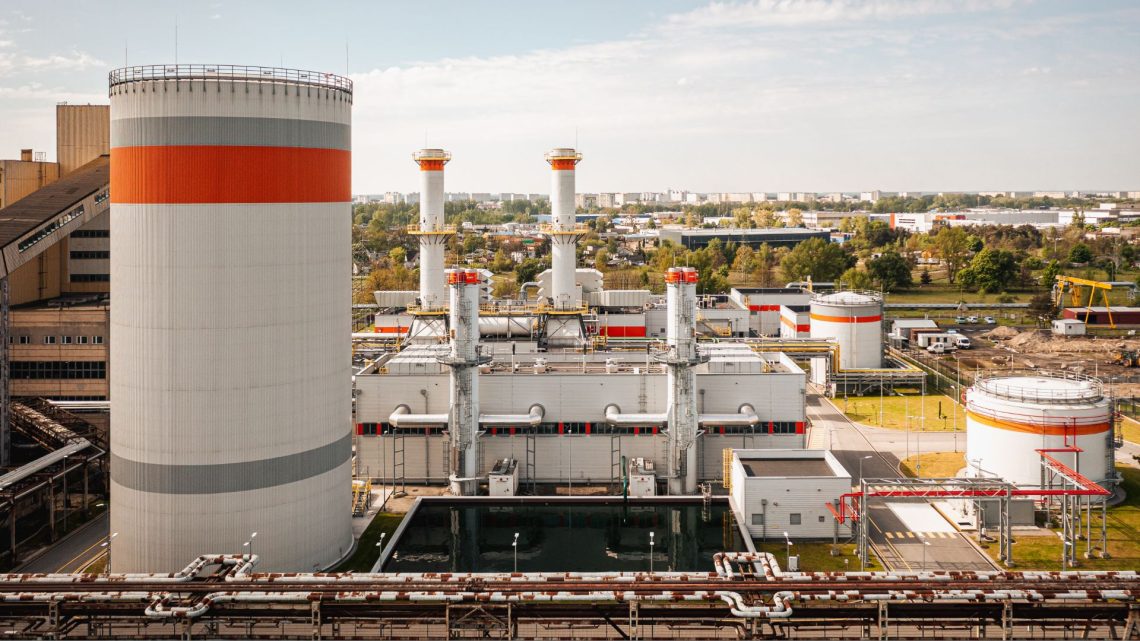
The Group is gradually developing a business segment dedicated to the circular economy. Research and development activities are also being conducted on technical conditions, new technologies, diagnostic methods, and research techniques related to the Circular Economy. These initiatives support the closure of material loops in line with circular economy principles. The dedicated Circular Economy segment within the PGE CG was established to maximise the reuse of by-products from energy generation processes, thereby preventing waste generation. s a result of these efforts, combustion by-products are transferred to external partners for further industrial use. Information on the identified risks can be found in ESRS2 SBM-3.