
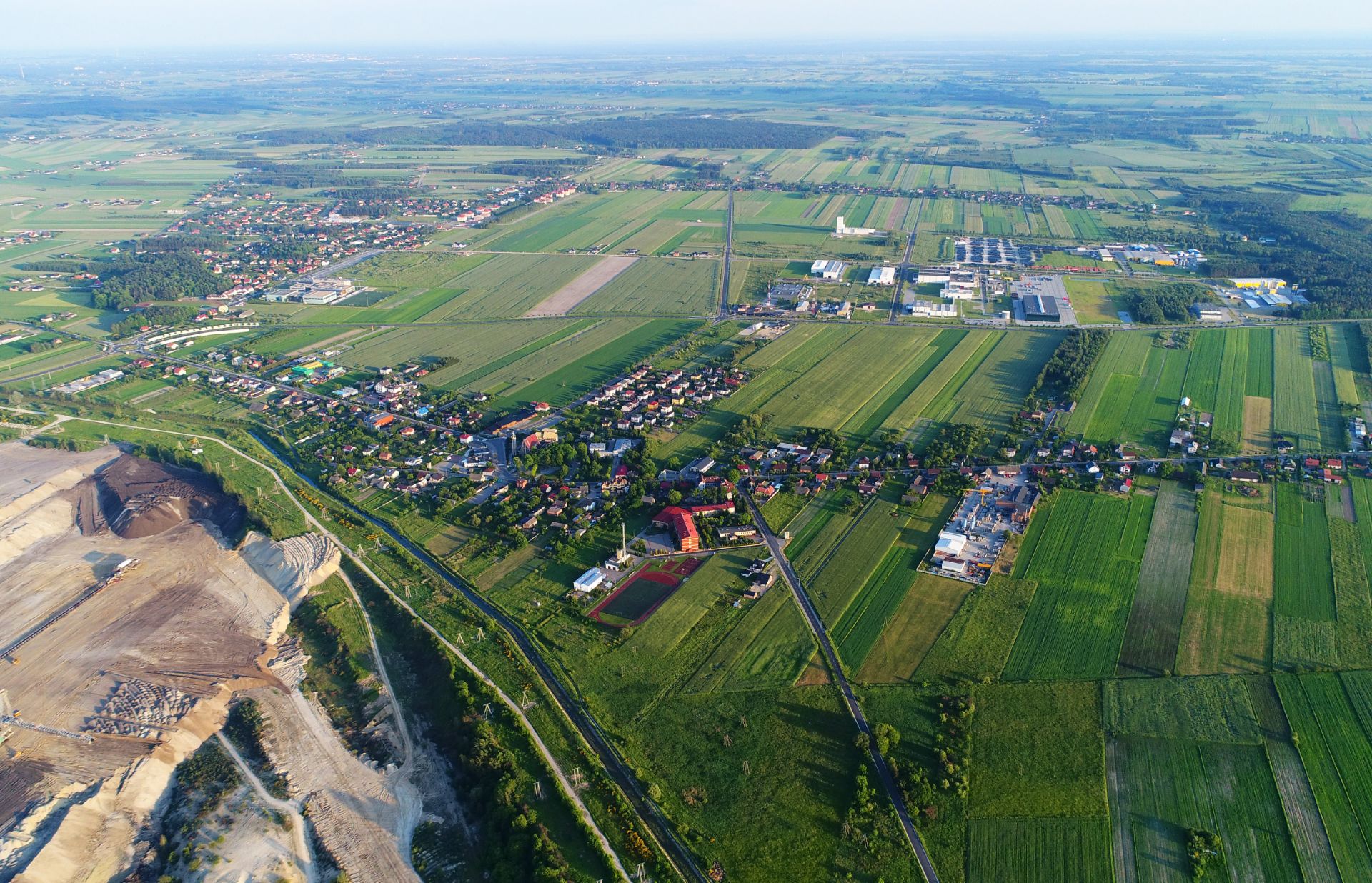

As part of its operations, PGE Group has identified a significant impact on the adequate housing and security-related impacts on local communities. As part of its investment processes, the PGE Capital Group conducts public consultations to address the needs and concerns of local communities at the project planning stage.

In the area of adequate housing, the positive impact of the PGE Group on local communities is mainly achieved through pollution reduction achieved by a gradual shift away from coal-fired power generation and investing in local infrastructure, such as road construction during as part of the Group’s energy projects.
In the area of security-related impacts on local communities, the Group strengthens its positive influence by creating jobs in the construction and operation of renewable and low-emission installations, reducing the duration of power outages through investment projects in distribution, and ensuring availability of district heating for urban areas.
The PGE Capital Group undertakes numerous activities aimed at minimising its impact on the environment. The strategic objective behind these measures is to change the structure of electricity generation in Poland to low- and zero-emission. Navigating the energy transformation, in addition to meeting legal and statutory requirements, the Group undertakes investment activities that contribute to reducing emissions. This has a positive impact on local communities.
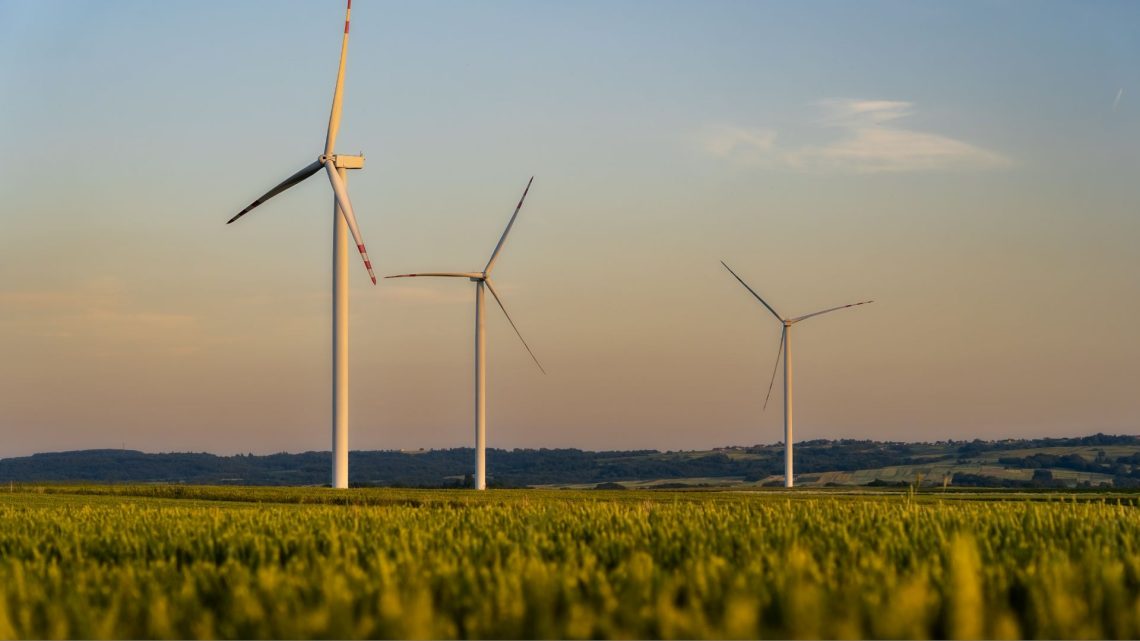
Where negative impacts cannot be effectively and sustainably eliminated, the PGE Group takes actions aimed at their minimisation.
Considering the connection between the Group’s operations and its impact on local communities, the most important aspect is the Group’s business in the lignite regions of Bełchatów and Turów, where PGE is a key employer, guaranteeing economic security and good material conditions (Kleszczów Municipality has been the richest municipality in Poland for years). However, in the long term, when lignite mining and the related power generation operations are to be phased out, maintaining the economic security of the residents of these regions becomes crucial. For this reason, PGE is actively involved in activities related to the processes of just transition, including investment planning aimed at providing an industrial alternative for the regions.
At the same time, lignite mining, conducted on large open-pit areas, is an activity that does not remain indifferent to the functioning of the surrounding residents, notwithstanding its lawfulness or underlying permits. Economic activity in the immediate vicinity of open-pits may be subject to restrictions, while the availability of water resources remains monitored. In recent years, PGE has invested in an anti-filtration screen in the Turoszów region to protect local water resources (also protecting waters in the Czech Republic) and thus mitigate the possible negative impact of deposit drainage.
Therefore, given the specific characteristics of the PGE Group and the variety of activities of its subsidiaries, in its disclosures concerning affected communities, the Group focuses on the identified impact of companies conducting operational activities, e.g. extraction and production.
The projects of the PGE Capital Group, such as development of renewable energy sources, investing in low-emission sources of generation, modernisation of transmission infrastructure, and rehabilitation of post-industrial areas, are carried out with respect for the environment and the interests of local communities. PGE supports local communities in their development by initiating projects aimed at improving the living conditions in the local municipalities and establishing positive relationships with stakeholders. These actions can have both positive and negative impacts, which is why the PGE Group, in its investment and operational activity, applies an approach designed to minimise possible negative effects of its operations. Transparency and social dialogue are key elements of this approach, enabling the local community to obtain detailed information about the investment projects of the PGE Group.

The PGE Group takes into account the needs and opinions of local communities, which directly influences the Group’s strategy and its business model. This is particularly the case for mine and power plant workers and their families, who are directly affected by the transformation of coal regions. It is also important to maintain the economic potential of regions that have been heavily dependent on mining and power plant operations for several decades. Ensuring the energy security of the region and the country as a whole while gradually reducing coal-based activities is also of key importance.
The business model is evolving towards decentralised energy sources and prosumer energy services. Including communities as active participants in the energy market fosters social acceptance of the energy transition and allows for better tailoring of activities to local needs.
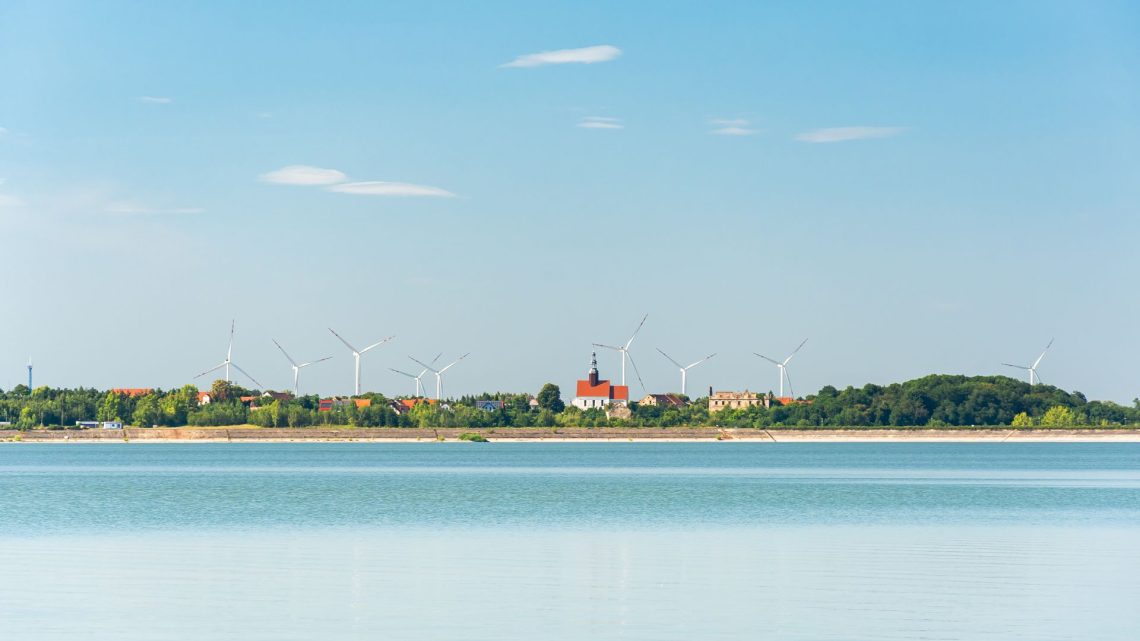
The local community of the PGE Capital Group comprises residents, employees and their families, non-governmental organisations, business partners, and local and regional authorities that live and work near operation sites. Due to the scale of the Group’s operations, which include coal mining in addition to electricity and heat generation, the most affected regions are those around Bełchatów and Turoszów. Also the other conventional power plants (Opole, Rybnik, Lower Odra/Gryfino) are not without impact on the local population, even though they are located in areas of low density.
The heat generation business affects residents and companies operating within local heating networks. Without available alternative heat production sources, PGE remains responsible for guaranteed heat supply and for minimising the environmental impact of production processes. This is achieved by ensuring production efficiency, appropriate technology mix, flue gas and wastewater treatment, and noise reduction.